
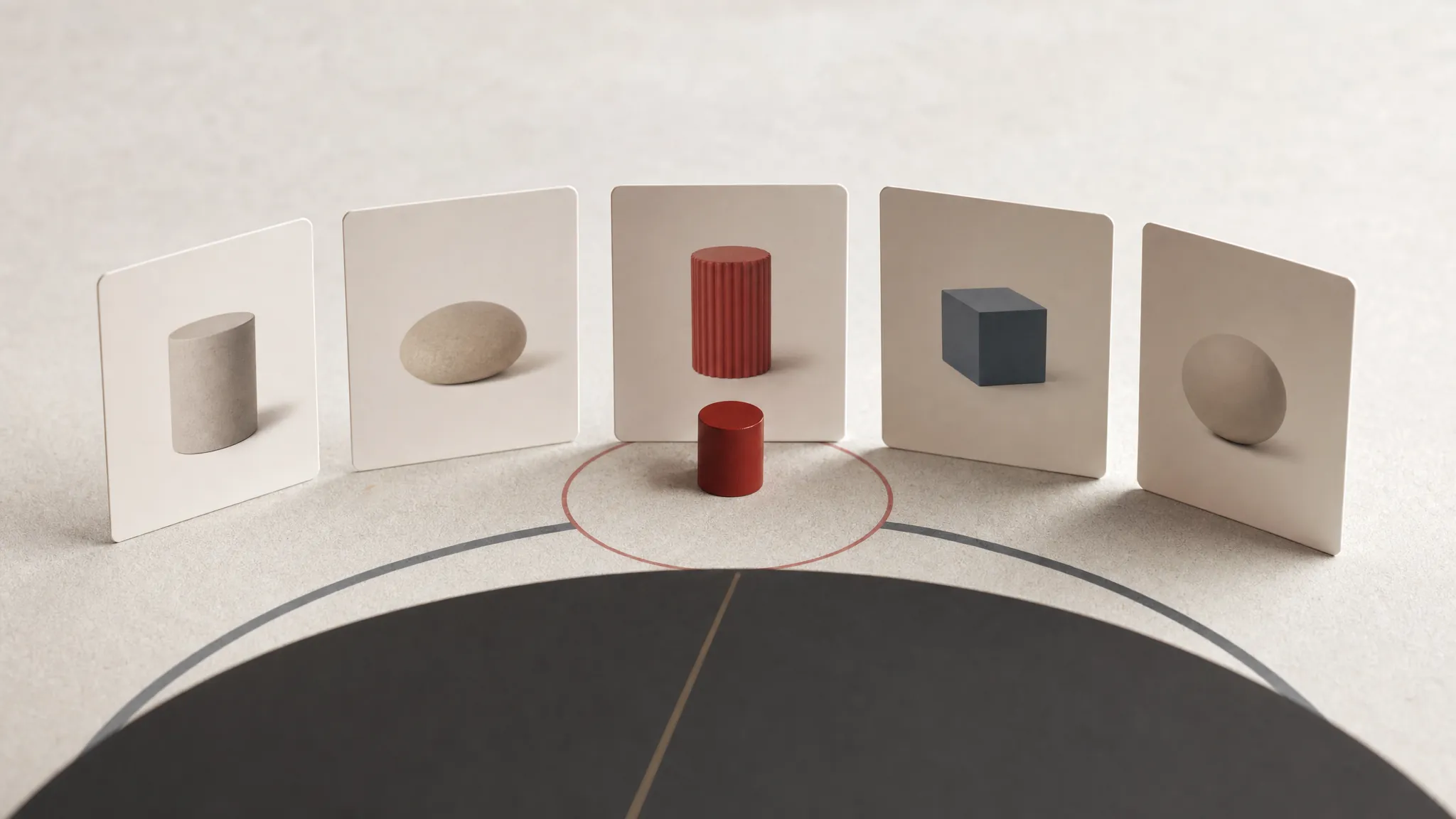
Brand preference is what happens when a customer looks at the available options and one brand feels easier to choose. Not merely easier to recognize. Not vaguely liked. Preferred. The customer sees less risk, more fit, stronger proof, better memory, or a clearer reason to stop comparing.
That makes preference more demanding than awareness. A known brand can still lose if the customer does not trust it, cannot find it, cannot explain why it is better, or feels a competitor is safer for the situation. Amazon Ads defines brand preference as the point where a customer identifies a preferred product and makes it part of regular purchasing: Amazon Ads on brand preference. The commercial lesson is simple: being familiar gets you considered. Being preferred helps you get chosen.
kgb thinks about preference as memory with a job to do. The portfolio shows the standard: consumer brands win when customers remember them in the right moment, believe the promise, and feel enough confidence to choose without rebuilding the whole decision from zero.
Start with the choice the customer is making
Preference only makes sense inside a real choice. A customer is not choosing "brand" in the abstract. They are choosing dinner, credit, a service provider, an appointment tool, a founder-friendly capital partner, or a brand they can trust in front of someone else. The decision has context, pressure, alternatives, and consequences.
Write the choice in plain language before you work on the brand. "When a founder compares investors for a consumer products company..." is useful. "When a shopper needs a safer everyday option..." is useful. "When a customer wants a loan without surprise fees..." is useful. "We want people to like us more" is not strategy. It is a wish with nicer clothes.
This is why preference connects to category entry points. The brand has to be tied to the need, trigger, or buying situation where choice happens. If the brand is remembered in the wrong moment, the preference is decorative. If it is remembered at the decision point, it can change demand.
Make the brand easy to retrieve
Customers rarely compare every option with perfect calm and unlimited time. They use memory shortcuts. They search what they remember. They notice familiar cues. They ask for brands friends can name. They lean toward the option that feels known enough to reduce effort. That is not irrational. It is how busy people survive crowded categories.
The Ehrenberg-Bass Institute describes mental availability as the probability that a buyer will notice, recognize, or think of a brand in buying situations: Ehrenberg-Bass on mental availability. Preference is harder to earn when the brand is not mentally available. The customer cannot prefer what they do not remember soon enough.
That does not mean memory alone is enough. It means memory is the door. The brand still has to prove why it belongs in the shortlist. The site's guides to brand assets and brand salience cover the retrieval side in more detail. Preference adds the next question: once the customer remembers the brand, do they feel better choosing it?
Give preference a reason, not just a feeling
Preference can be emotional, but it should not be mysterious. Customers prefer brands because something about the brand reduces effort, risk, doubt, or disappointment. That reason may be product quality, distinctive experience, value, service, distribution, identity, founder proof, history, or simply the sense that the brand will not waste their time.
The reason does not have to be unique in a patent-law sense. It has to be meaningful, believable, and linked to the brand. Kantar's Meaningful, Different, and Salient framework is useful here because it connects brand strength to meeting needs, standing apart, and coming to mind: Kantar on meaningful difference. Preference grows when those jobs reinforce each other instead of living in separate decks.
The fastest diagnostic is to ask customers why they chose you instead of the next obvious alternative. If they can only say "I have heard of you," the brand has familiarity but weak preference. If they can name a reason that matches the promise and the experience, the brand has something stronger to build around.
Use proof close to the moment of doubt
Preference often breaks at the point where the customer starts worrying. Is this worth the price? Will it work for someone like me? Is this company still relevant? Has anyone done this before? What happens if it goes wrong? If the brand does not answer the doubt, the customer keeps comparing.
Proof should appear where doubt appears. kgb's story, philosophy, and 118 118 advertising archive work together because they turn a brand-building claim into visible history, operating belief, and public creative evidence. That is more useful than asking visitors to admire a generic claim about long-term value.
For founders comparing capital partners, proof also needs specificity. A page about private equity firms for consumer products should not merely say "we understand brands." It should show why consumer choice, customer memory, availability, repeat purchase, and patient ownership matter. Specific proof makes preference less fragile.
Reduce friction so preference can convert
A customer can prefer a brand and still fail to buy if the path is too hard. Poor availability, confusing pricing, weak retail presence, slow response, unclear next steps, thin proof, or a clumsy website can all turn preference into a nice thought that never becomes action. The market is not sentimental about friction.
This is where preference becomes operational. If the brand promises ease, the buying path should feel easy. If it promises trust, the proof should be visible. If it promises specialist experience, the examples should be specific. If it promises patience, the language should not sound like short-term financial engineering in a better suit.
Map the path from memory to action. What does the customer do after they remember the brand? Search the name? Visit the homepage? Compare portfolio examples? Read the terms? Ask a peer? Contact the team? Each step either strengthens preference or gives a competitor another opening.
Turn availability into a preference advantage
Preference is easier to convert when the preferred brand is also easy to buy, contact, compare, or recommend. This is the unglamorous side of brand building that too many teams treat as someone else's problem. If customers prefer the brand but cannot find it, cannot understand the next step, or cannot get enough proof to defend the decision internally, the brand has built demand and then politely handed it to a competitor.
Physical and digital availability both matter. For a consumer product, availability might mean retail presence, shelf visibility, distribution, delivery speed, stock reliability, marketplace clarity, or packaging that helps the customer recognize the brand quickly. For a service or investment platform, it might mean clean search visibility, a credible homepage, relevant proof pages, clear contact routes, and a public story that helps the right person understand fit without needing a private explanation first.
This is where brand preference becomes more than a research score. A preferred brand should make the next action feel obvious. The visitor who reads about brand relevance should be able to move into proof. The founder comparing partners should be able to see the portfolio and decide whether the experience matches their situation. The customer who remembers a campaign should be able to connect that memory to the offer now.
Preference dies when the brand makes people work too hard after it has earned attention. The fix is not always a bigger campaign. Sometimes it is clearer navigation, stronger proof, better availability, fewer vague claims, faster response, or a sharper page for the exact buying situation. Boring? Maybe. But boring improvements often turn soft preference into actual revenue, which is generally preferable to admiring a brand-tracking chart. The score only matters if the customer can act on the preference before doubt returns.
Do not mistake loyalty for preference
Loyalty and preference overlap, but they are not identical. A loyal customer may keep buying because of habit, contract, convenience, rewards, switching cost, or lack of effort. A preferred brand earns an active advantage in the customer's mind. The customer would choose it again even when alternatives are visible.
That distinction matters because lazy retention can hide weak preference. Customers may be staying because switching is annoying, not because the brand is loved, trusted, or clearly better. When a competitor removes the friction, the "loyal" base suddenly becomes very mobile. Funny how quickly loyalty evaporates when it was actually admin fatigue.
The site's guide to brand loyalty goes deeper on repeat choice. Preference is the upstream question: would the customer put this brand ahead of the alternatives before habit, contract, or convenience takes over?
Measure preference against real alternatives
Preference should be measured against the brands customers actually compare. Do not ask whether people prefer the brand in isolation. That flatters everyone. Ask which brand they would choose if price and availability were similar. Ask which brand feels safest. Ask which brand they would recommend. Ask what would make them switch.
Quantilope's guide to measuring brand preference points to methods such as preference questions, ranking, max-diff, conjoint, and choice-based research: Quantilope on measuring brand preference. The method should match the decision. A low-risk repeat purchase does not need the same research design as a high-stakes founder or investor decision.
| Signal | What it reveals | How to read it |
|---|---|---|
| Stated preference | Which brand customers say they would choose. | Compare against named alternatives, not a vague category average. |
| Branded search | Whether people look for the brand by name, cue, or proof. | Watch high-intent modifiers such as pricing, reviews, portfolio, and contact. |
| Repeat choice | Whether the brand remains preferred after first use. | Separate active preference from contract, habit, or switching friction. |
| Willingness to pay | Whether preference survives a more expensive choice. | Use carefully; price premium is a signal, not the whole story. |
| Customer language | Whether buyers can explain the reason to choose. | Look for repeated proof words, not just generic satisfaction. |
Build preference across the whole system
Preference is not created by one campaign line. It is built across the system: product, service, pricing, availability, proof, distinctive assets, customer experience, founder story, channel presence, and the follow-through after the sale. The message can start the preference. The experience has to keep earning it.
The practical work is less glamorous than a rebrand and much more useful. Choose the buying moments that matter. Make the brand easy to retrieve in those moments. Give customers a reason to prefer it. Prove that reason close to doubt. Remove friction from the path to action. Then measure whether customers can repeat the reason without being handed the script.
If you are working on brand preference now, start with the real choice set. Name the alternatives, the risk, the desired memory, the proof, and the next action. Preference is not a warm feeling floating above the business. It is the customer deciding, with options in front of them, that this brand is the easier bet.
How kgb thinks about brand preference
kgb's bias is that preference compounds when memory and operating proof reinforce each other. Brands like 118 118 were not built by hoping people would rationally inspect every available option. They were built by becoming easier to notice, easier to remember, and easier to choose in the moment that mattered.
For consumer companies and founders, that is the useful standard. A brand should not merely be known. It should lower the customer's sense of risk, sharpen the reason to choose, and make the next step feel obvious. That is how brand work turns into commercial advantage instead of expensive decoration.
Brand preference FAQ
What is brand preference?
Brand preference is the tendency for customers to favour one brand over alternatives when the options are reasonably comparable. It shows that the brand is not just known, but easier to trust, remember, and choose.
Why does brand preference matter?
Brand preference matters because it can reduce price pressure, shorten buying decisions, improve repeat choice, and make marketing work harder. A preferred brand has a stronger chance of being selected before the customer starts comparing every alternative from scratch.
How do you build brand preference?
Build brand preference by understanding the buying situation, making the brand easy to remember, proving the promise through experience, reducing risk, improving availability, repeating distinctive cues, and measuring whether customers choose the brand more often.
How do you measure brand preference?
Measure brand preference with preference surveys, choice tests, consideration, branded search, repeat purchase, direct demand quality, willingness to pay, review language, referrals, and customer interviews that ask why one brand is chosen over another.
Related posts
Keep building the system
 Brand Relevance: Stay Useful Enough to Choose
Build brand relevance by connecting customer needs, category entry points, proof, experience, and distinctive memory cues.
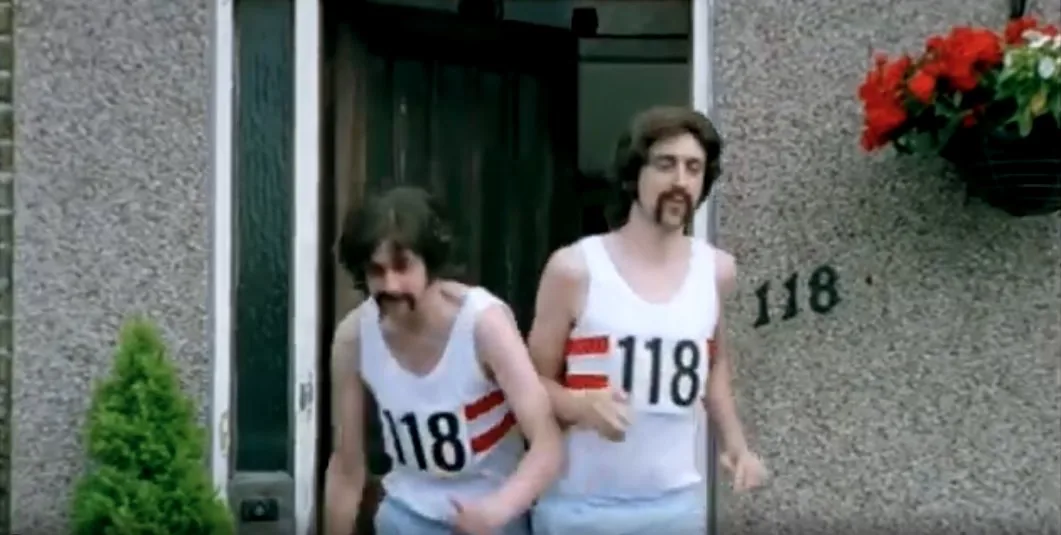 Brand Differentiation: Give Customers a Reason
Build brand differentiation through customer value, sharper proof, distinctive assets, experience, and measurement that make choice easier.
 Brand Personality: Make the Brand Easier to Remember
Define brand personality through customer memory, distinctive traits, behavior, voice, and experience that make a brand easier to choose.